
Installation reference / China
Equipment and installation views
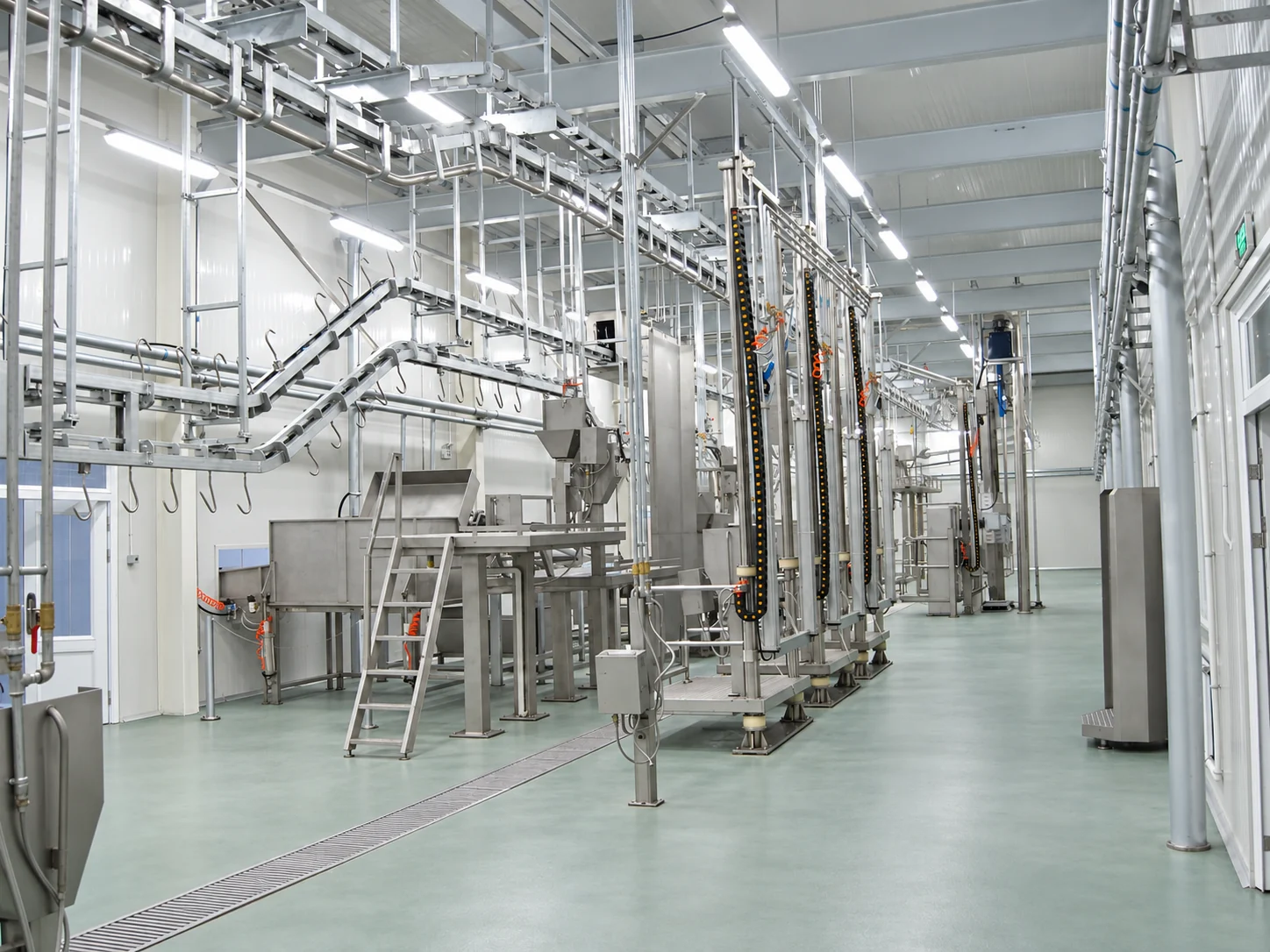
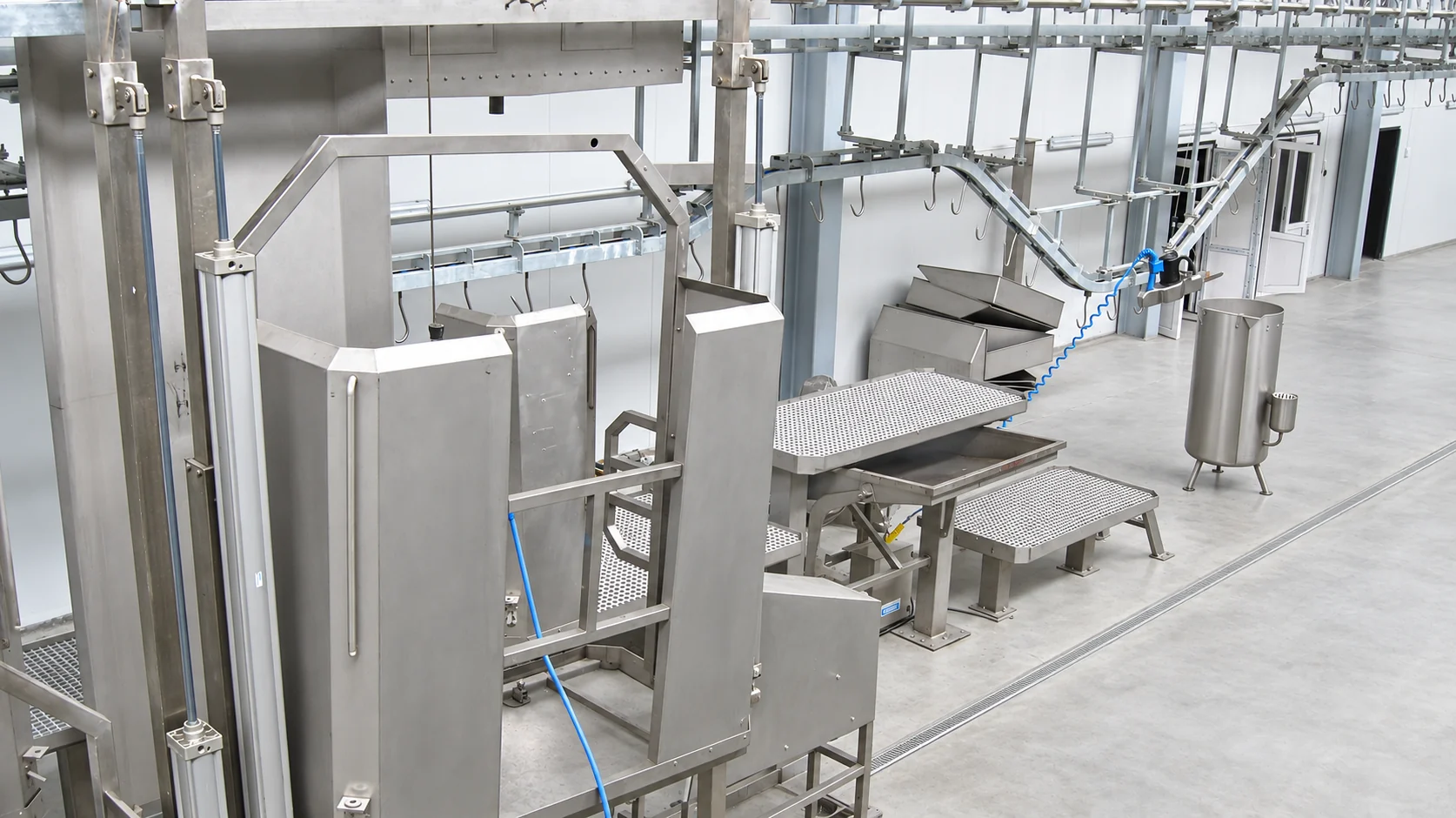
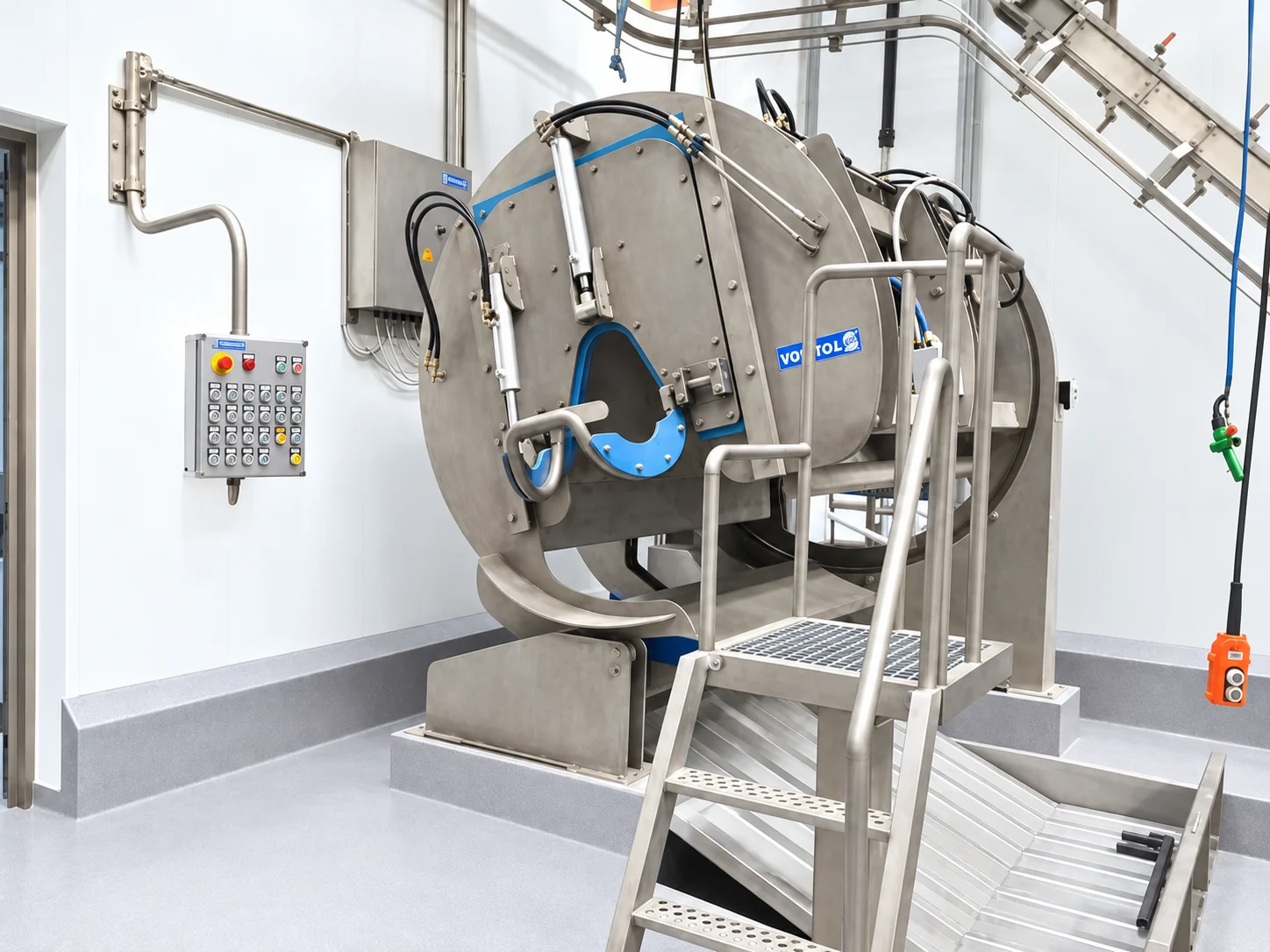
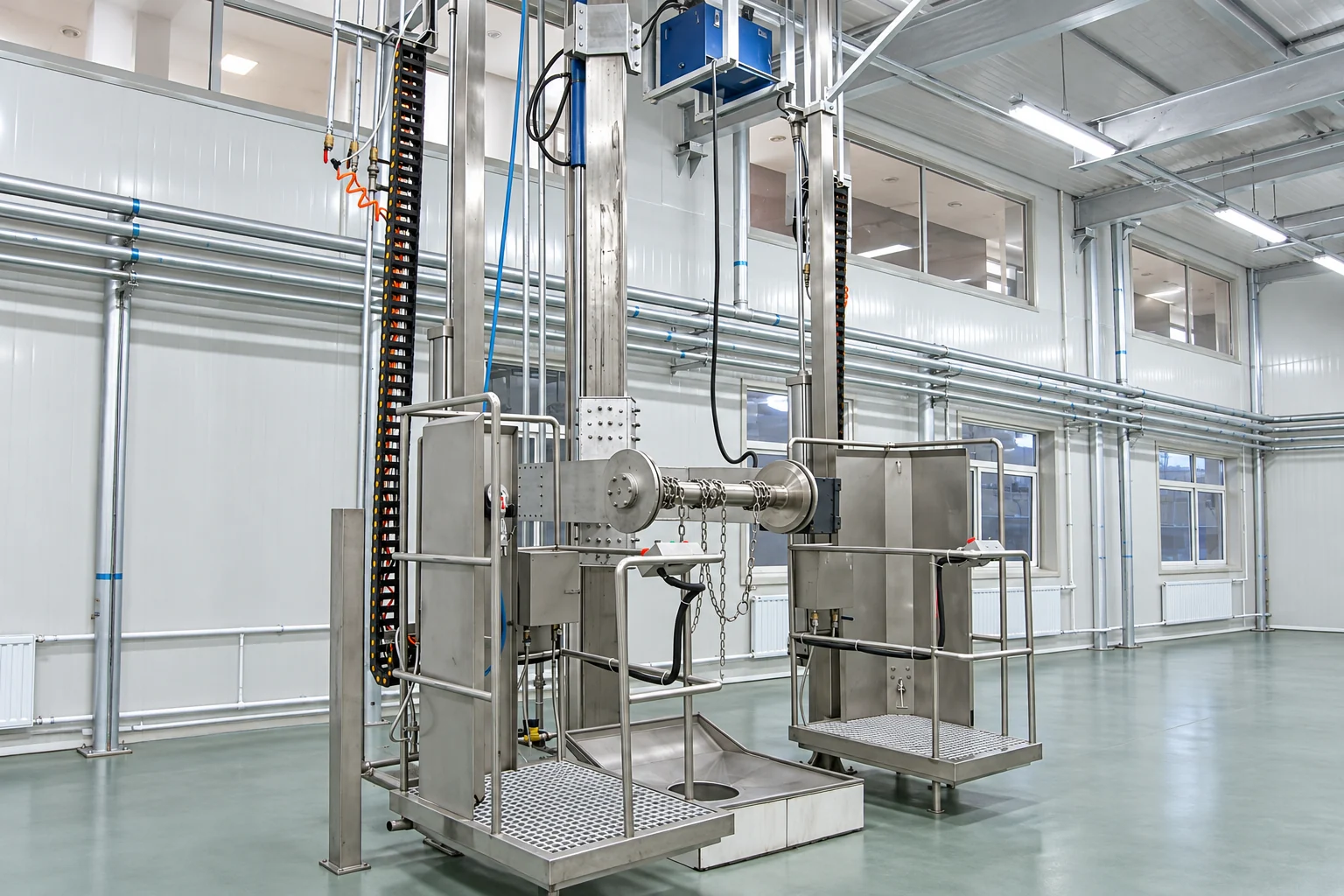
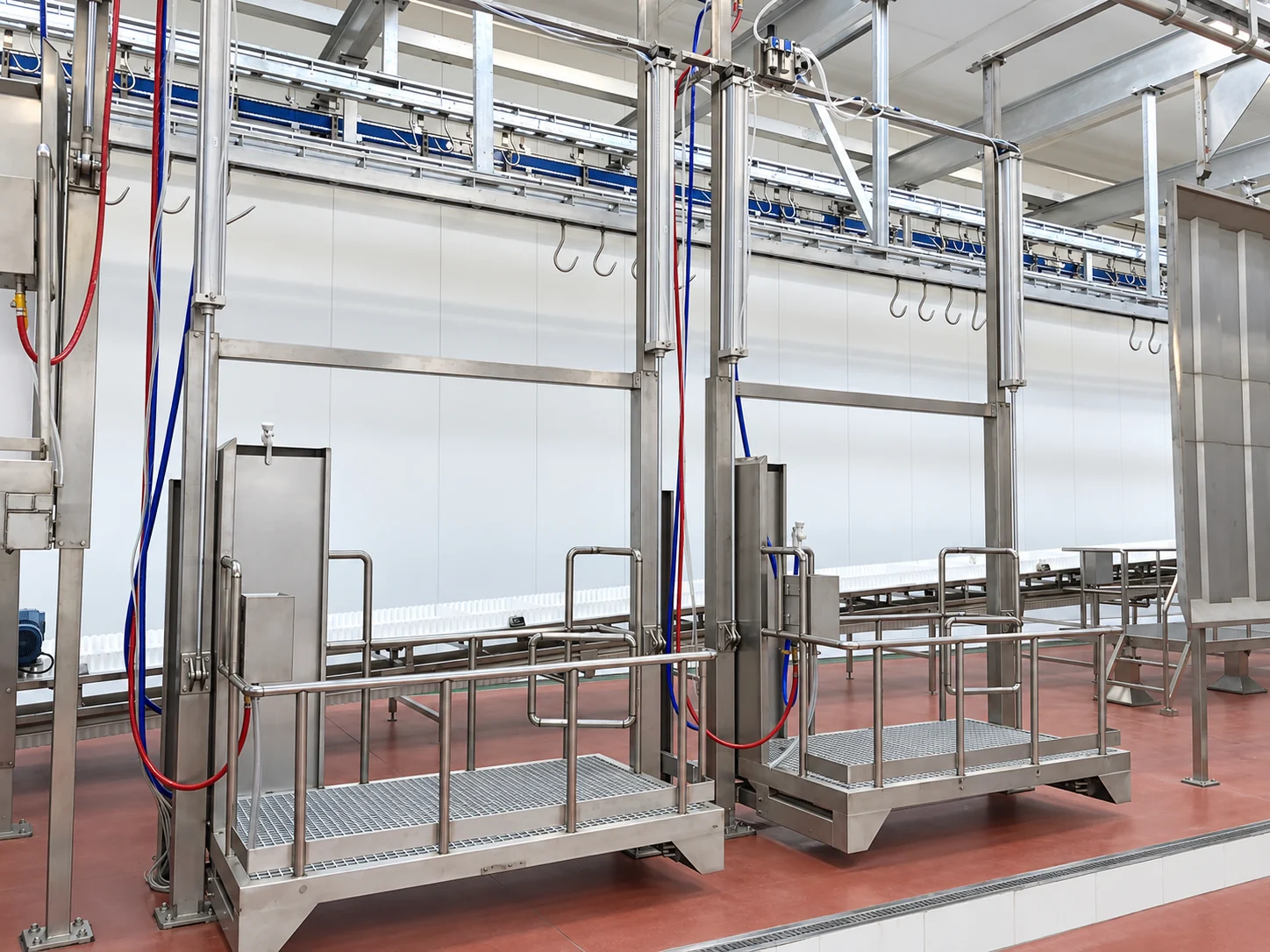
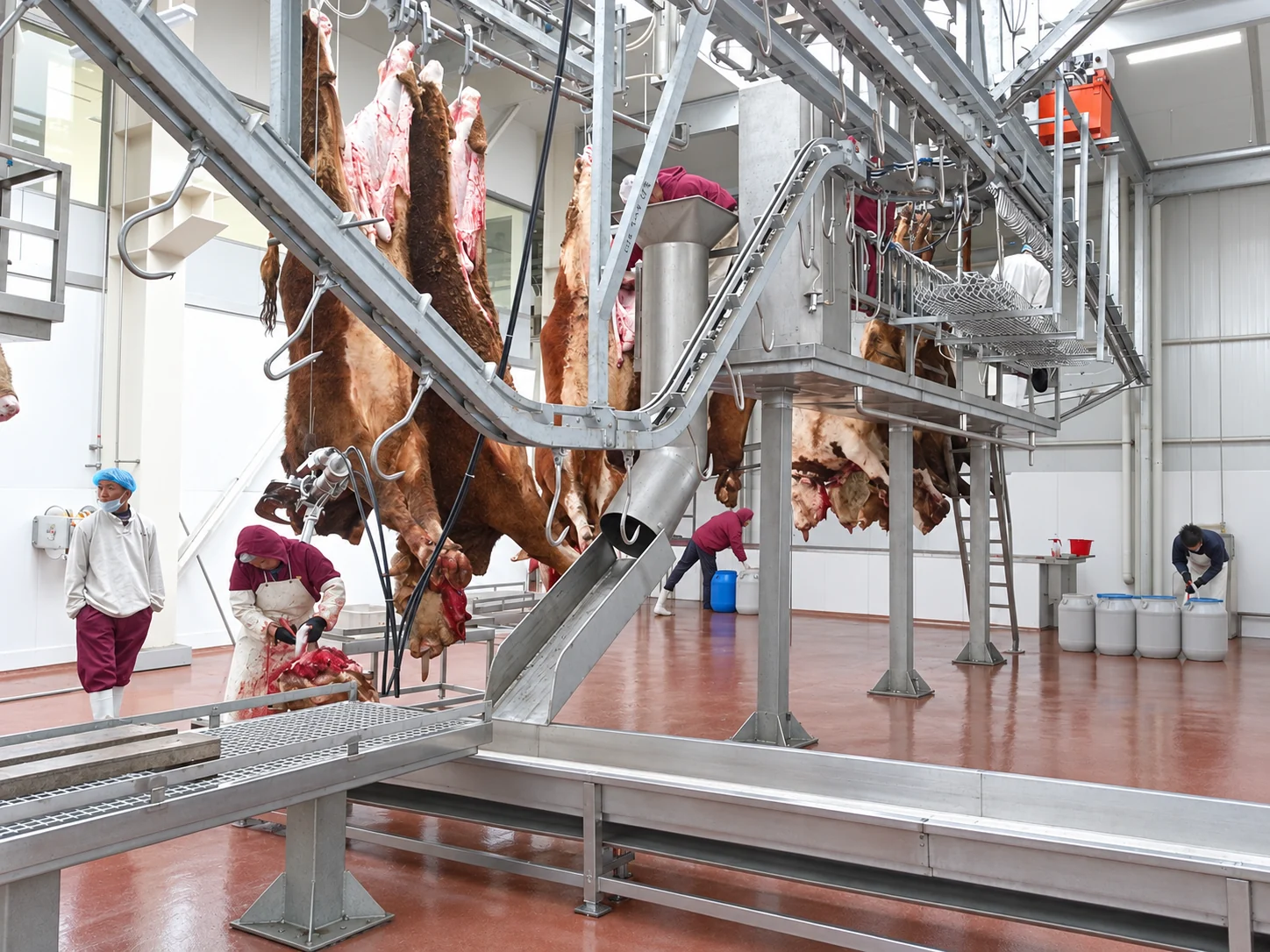
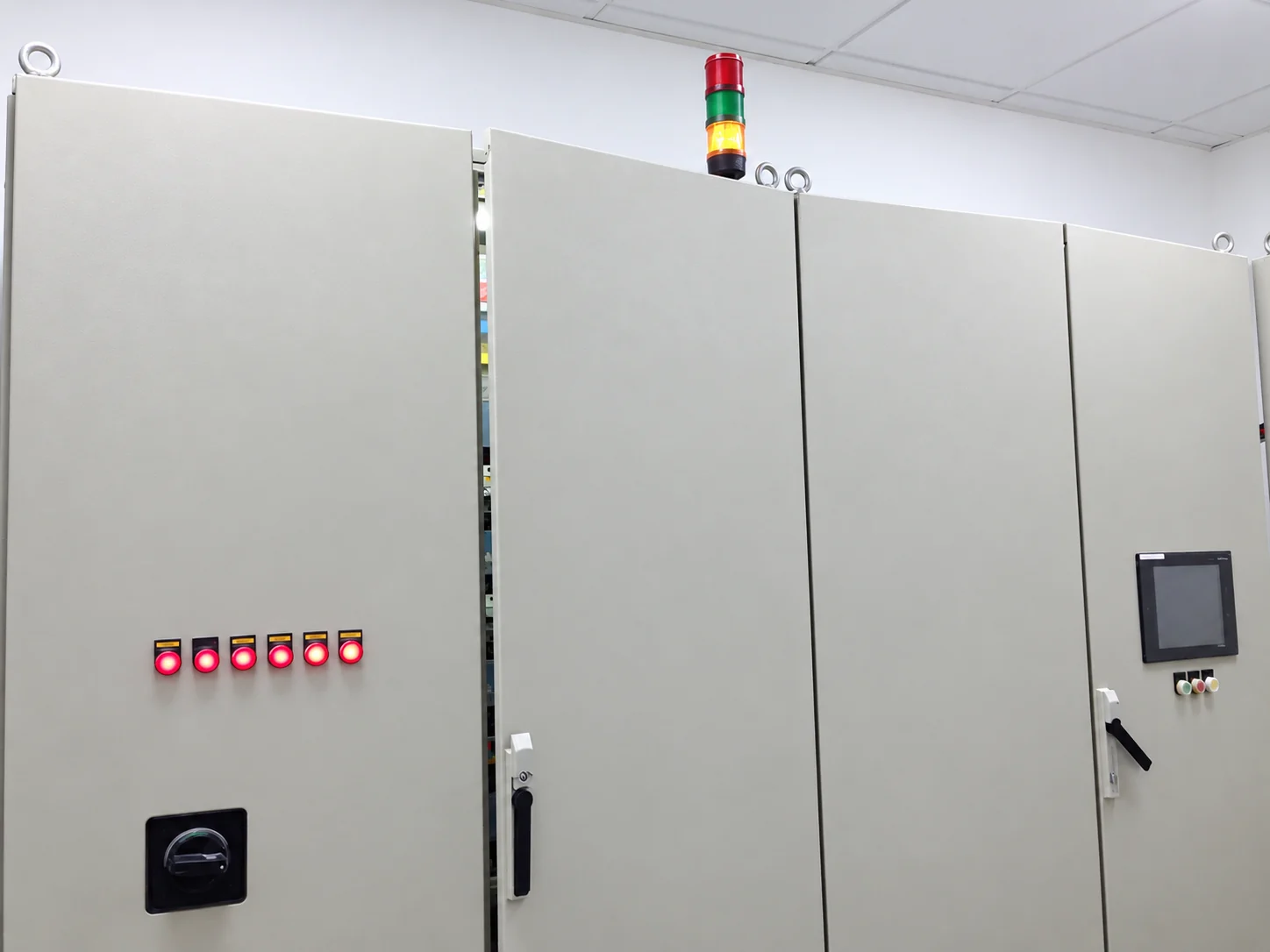
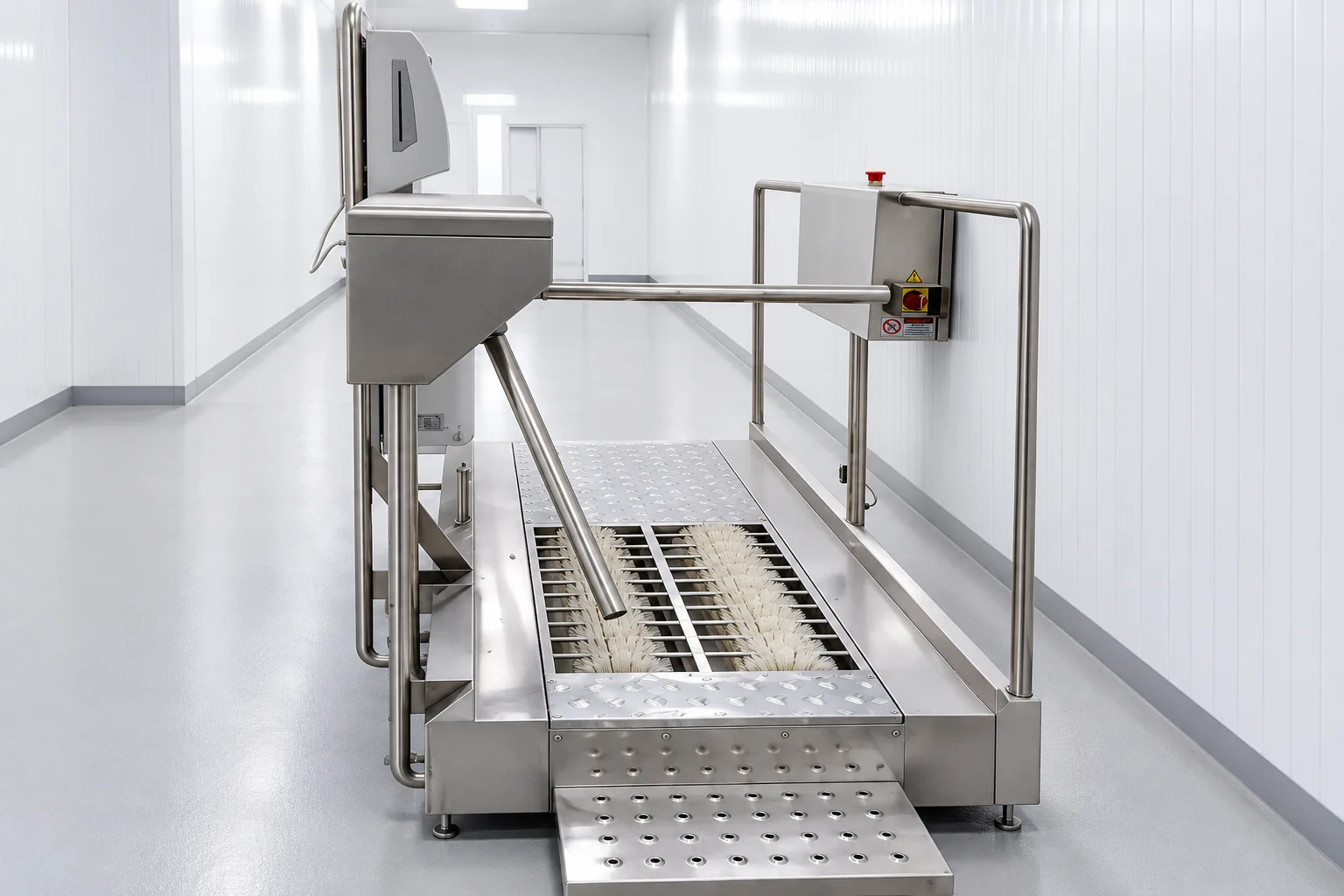
The Tongliao cattle-processing installation covers several working stations, with operator access, conveyor interfaces and a control cabinet. Use these interfaces to prepare the equipment and service schedule.
The Tongliao cattle equipment includes a guarded operating platform, a cattle-foot conveyor and an electrical control cabinet, together with railwork and hide-pulling equipment. Define the required equipment and service connections for each station.
Questions to apply to your own plant
Prepare your purchase inquiry by specifying the operating tasks, retained machinery and proposed equipment scope.
| Interface to review | Your site input | Proposal item to request |
|---|---|---|
| Operator access | List each manual task and provide the rail level and available working area. | Work-platform positions with separate operating and cleaning access. |
| By-product handoff | Describe the material presentation and receiving area for the selected conveyor. | Conveyor endpoints coordinated with the intended processing rooms. |
| Control boundary | Identify motors, sensors, local controls and the plant system to be connected. | A control responsibility and commissioning interface list. |
Define the equipment and installation scope
Ask the proposal to list the selected machines, incoming and outgoing transfer points, controls and service connections. Mark which rails, supports and stations will remain. Agree separately who supplies building works, drains, electrical distribution, local lifting facilities and any refrigeration or wastewater systems.
Before installation, place the equipment schedule beside a measured plan and confirm service readiness, access for moving machinery into the building, cleaning clearance and the responsibilities for checking each interface.
Preparing a Southeast Asian or Central Asian project
Choose the dedicated halal or separate non-halal cattle route before comparing restraint, bleeding and downstream equipment. For a Southeast Asian or Central Asian plant, provide the destination country, intended product outlet, service information and local installation responsibilities. Review the selected method and any certification requirement with the parties responsible for the local project.
- Cattle hide-pulling and platform interfaces
- Inspection and by-product conveyor planning
- Specify retained and replacement cattle equipment
- Prepare country and plant-approval questions
- Review Southeast Asian and Central Asian market guidance
- Review more project and equipment references
- Send your project requirements