
Installation reference / China
Equipment and installation views
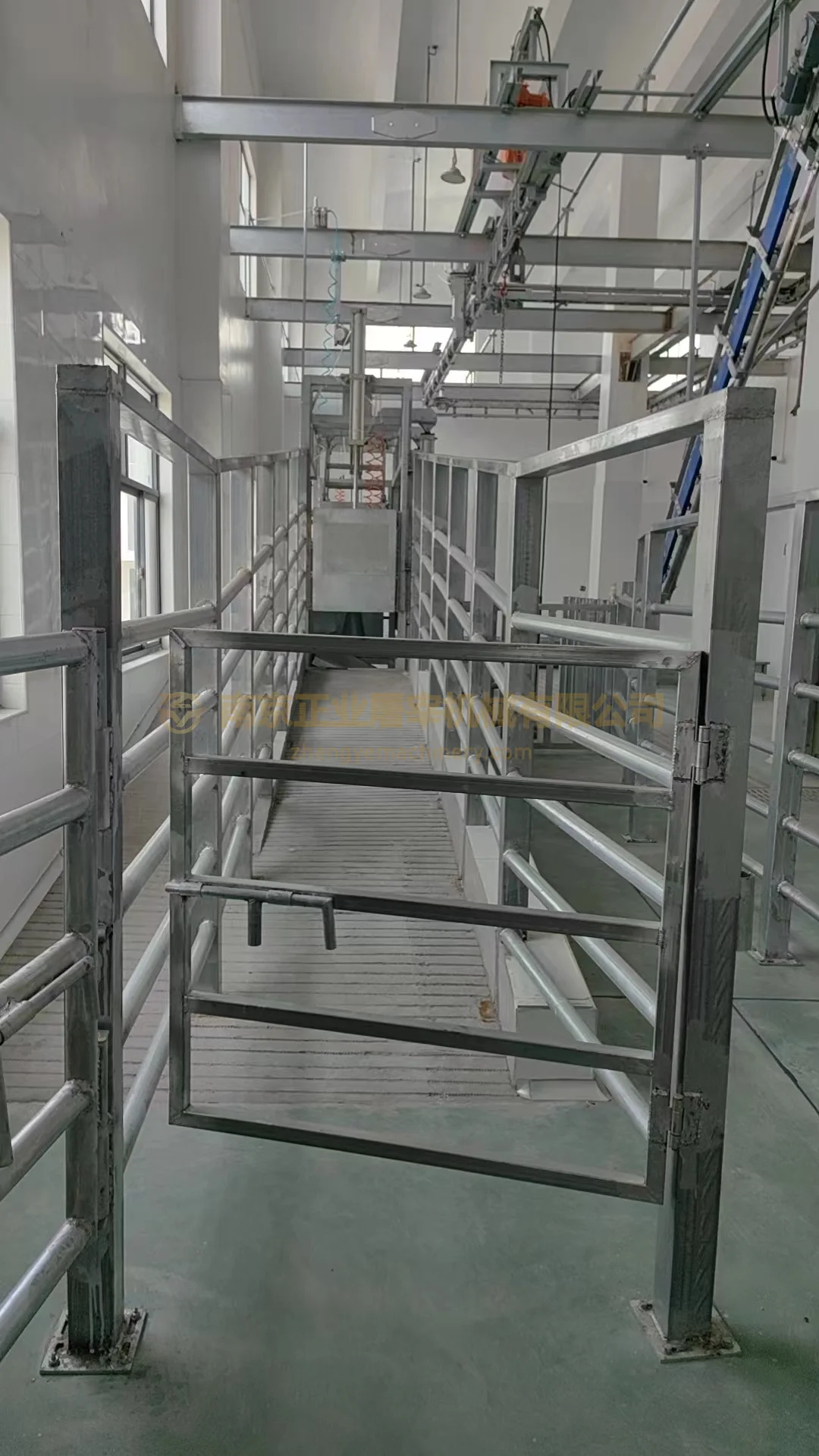
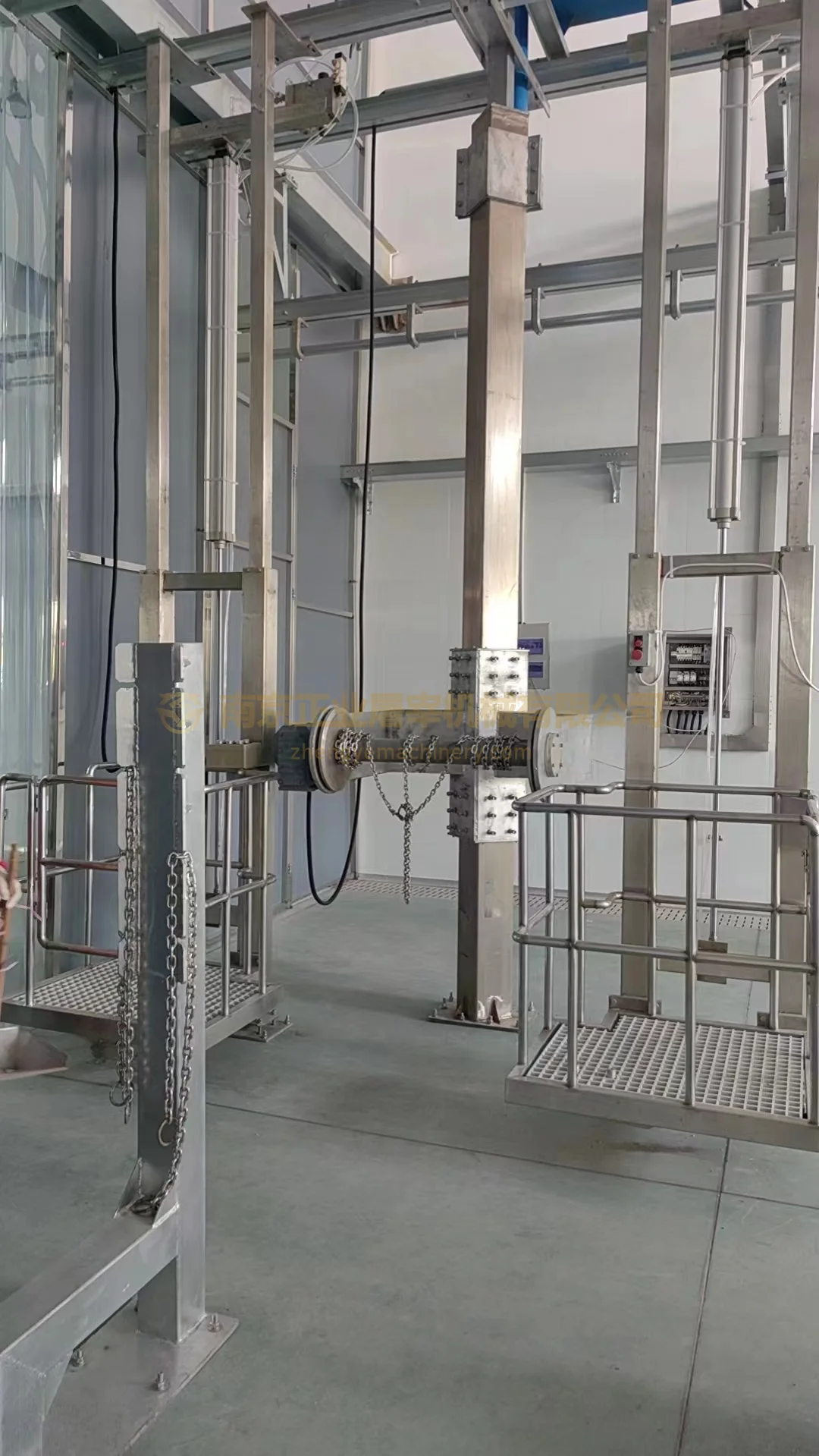
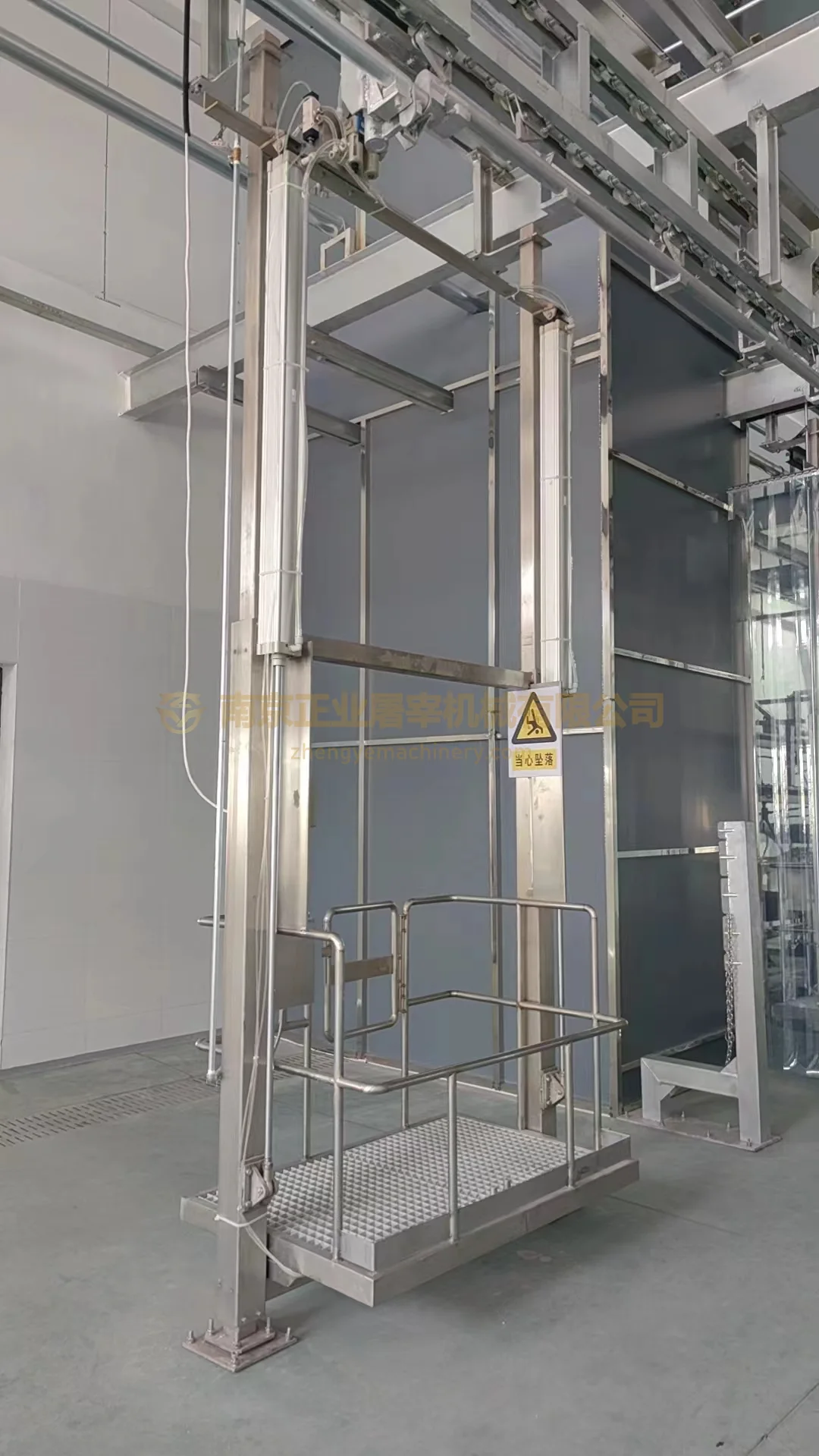
This Zhitang cattle reference shows how lifting equipment, rail connections and work platforms occupy the same processing route. The photographs and equipment-focused installation footage help define where one station ends and the next mechanical handoff begins.
The photographs show an inclined conveying section, access steps and platforms, plus equipment around the hide-pulling station. The selected installation clip provides another view of empty equipment and railwork. The pig-line materials also labelled Zhitang are a separate species reference.
Questions to apply to your own plant
The questions below are a planning checklist for your purchase inquiry. Use the reference to describe your own operating tasks, retained machinery and proposed equipment boundary.
| Interface to review | Your site input | Proposal item to request |
|---|---|---|
| Lifting and transfer | Provide the receiving presentation, outgoing rail and support positions. | A defined handoff between hoist, rail and the following station. |
| Hide-pulling work area | Describe preparation tasks, hide receiving and operator positions. | A coordinated station envelope rather than a machine-only quotation. |
| Retained equipment | Measure trolley type, rail levels, clearances and any existing controls. | A retrofit drawing that identifies retained, replaced and new items. |
Define the equipment and installation scope
Ask the proposal to list the selected machines, incoming and outgoing transfer points, controls and service connections. Mark which rails, supports and stations will remain. Agree separately who supplies building works, drains, electrical distribution, local lifting facilities and any refrigeration or wastewater systems.
Before installation, place the equipment schedule beside a measured plan and confirm service readiness, access for moving machinery into the building, cleaning clearance and the responsibilities for checking each interface.
Preparing a Southeast Asian or Central Asian project
Choose the dedicated halal or separate non-halal cattle route before comparing restraint, bleeding and downstream equipment. For a Southeast Asian or Central Asian plant, provide the destination country, intended product outlet, service information and local installation responsibilities. Review the selected method and any certification requirement with the parties responsible for the local project.